


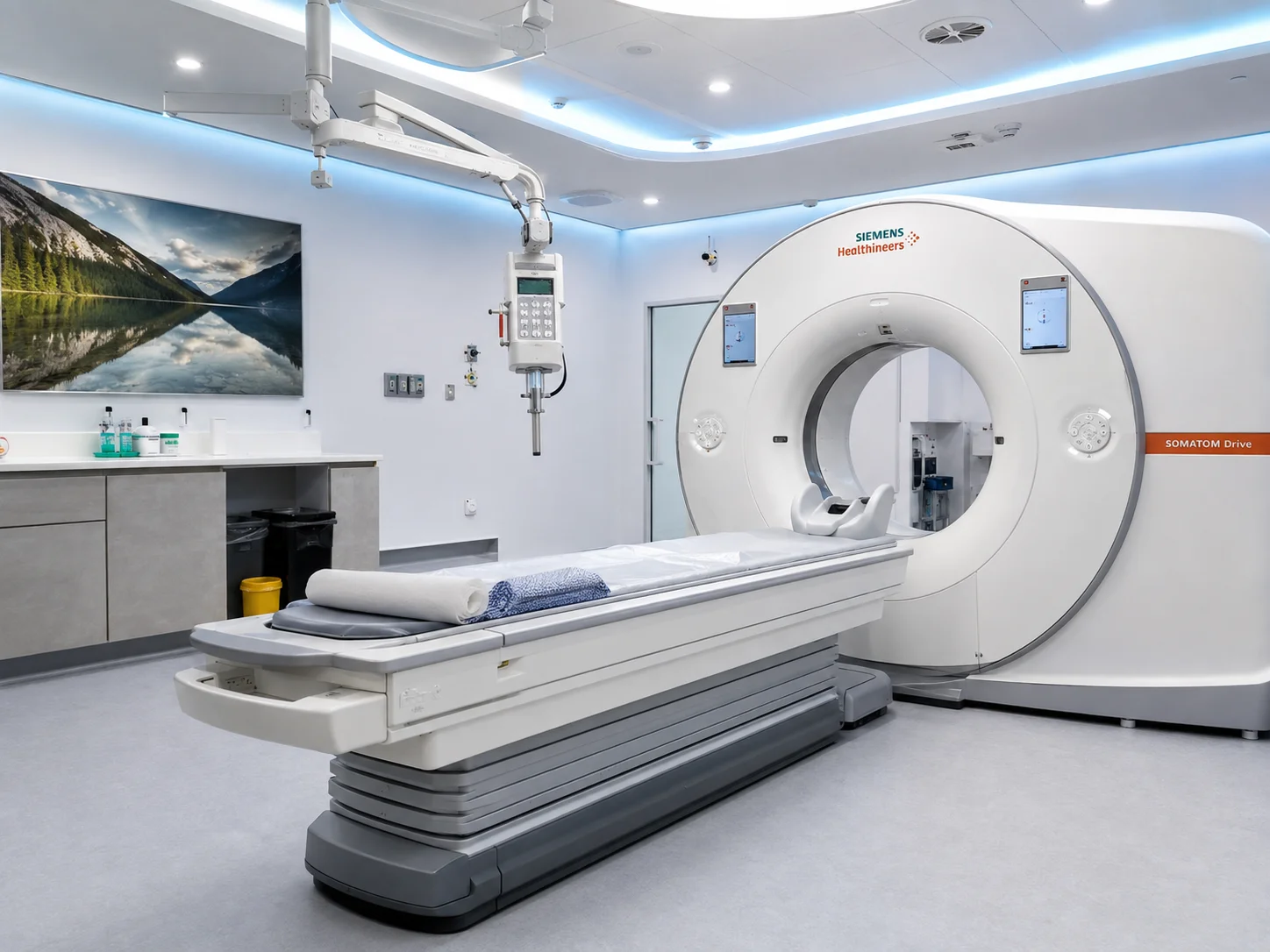
Multi-Vendor Medical Equipment Maintenance: A Guide for Canadian Clinics
When an infusion pump fails mid-shift or an imaging system goes dark during a busy diagnostic day, the cost is measured in far more than repair invoices. Clinical downtime delays care, strains staff, reschedules patients, and erodes trust. For a growing number of Canadian facilities, the deeper frustration is structural: a patchwork of single-OEM service contracts, each with its own pricing, response window, and renewal cycle, quietly inflating budgets year after year.
As capital equipment fleets diversify, so do the maintenance obligations tied to them. A mid-sized clinic can easily hold devices from a dozen or more manufacturers, each demanding a separate agreement. The administrative overhead is significant, and the financial exposure grows with every renewal. This guide explains how a multi-vendor service model offers Canadian clinics, hospitals, and procurement teams a more coordinated, cost-effective, and resilient path forward.
The Hidden Costs of Fragmented OEM Equipment Maintenance
Single-OEM maintenance contracts are often presented as the safest choice, and in isolation each one looks reasonable. The problem emerges in aggregate. When a facility manages ten, twenty, or fifty separate agreements, the true cost of fragmentation becomes visible.
The most obvious burden is premium pricing. OEM service contracts frequently carry the highest rates in the market, and they rarely offer volume flexibility across a mixed fleet. Because each manufacturer controls its own parts, labour, and scheduling, facilities have little leverage to negotiate.
Beyond price, fragmentation creates real operational drag. Every contract has a distinct point of contact, service portal, escalation path, and reporting format. Biomedical engineering teams spend hours reconciling documentation, tracking disparate renewal dates, and coordinating vendors who do not communicate with one another. This administrative fragmentation directly undermines healthcare workflow efficiency, pulling skilled staff away from clinical support and into contract management.
There are hidden risks, too. Inconsistent response times across vendors make it difficult to guarantee uptime for critical devices. Coverage gaps appear when a contract lapses unnoticed among dozens of renewal cycles. And when multiple OEMs must coordinate on interconnected systems, accountability blurs, leaving the facility to mediate. For procurement officers accountable for both budget and continuity of care, this opacity is a serious liability.
What is a Multi-Vendor Service (MVS) Model?
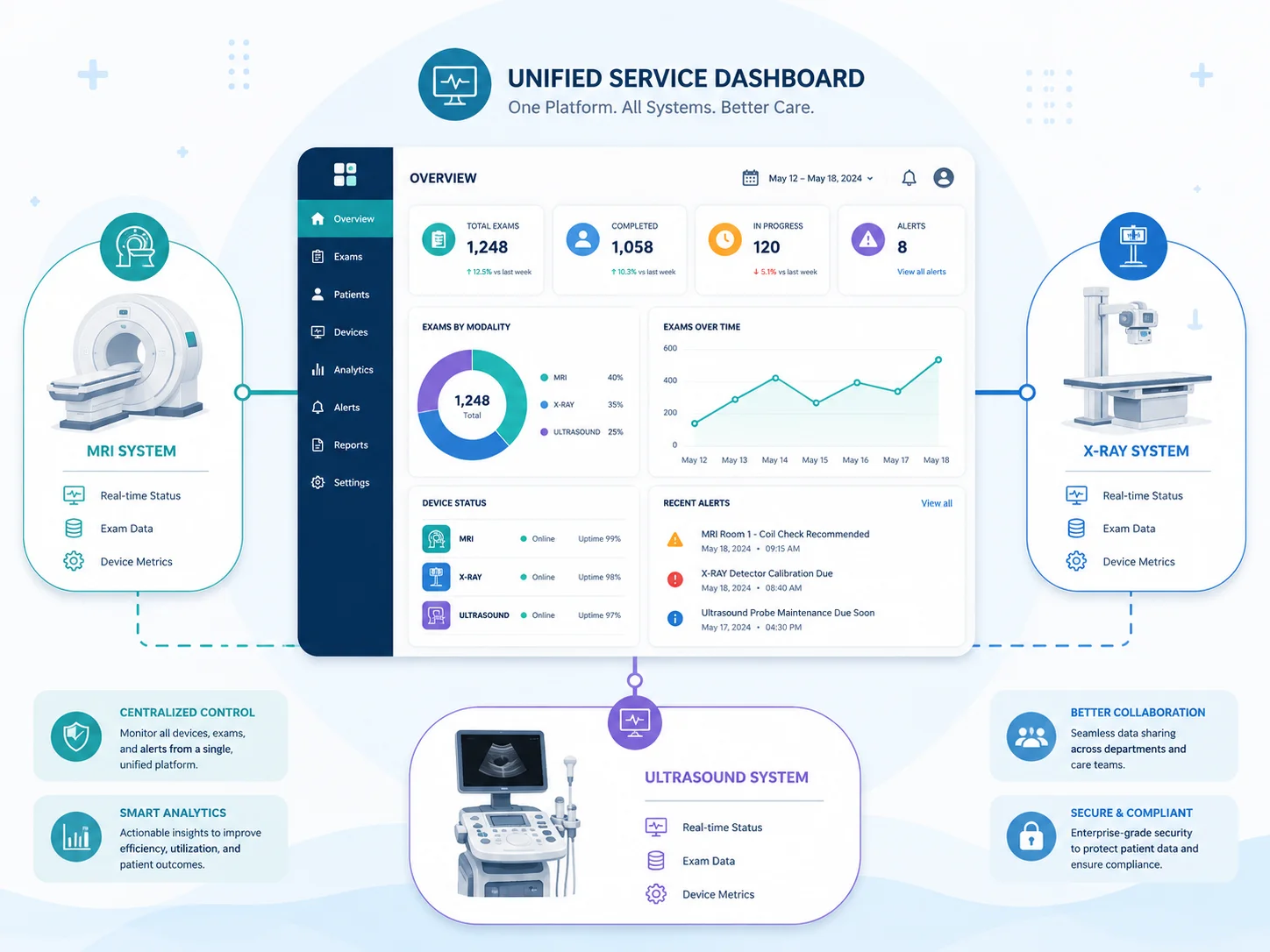
A multi-vendor service (MVS) model consolidates the maintenance of equipment from many different manufacturers under a single, coordinated service provider. Rather than holding separate agreements with each OEM, a facility partners with one qualified organization that manages, services, and reports on the entire mixed fleet through a unified medical device service agreement.
Under an MVS arrangement, the service provider assumes responsibility for planned preventive maintenance, corrective repairs, parts sourcing, calibration, and regulatory documentation across brands and device categories. High-quality MVS providers employ certified biomedical technicians and clinical engineering specialists trained across multiple platforms, and they retain OEM relationships where proprietary parts or software are required. The result is a hybrid approach: the coordination of a single partner, with continued access to manufacturer expertise when it genuinely matters.
For Canadian facilities, a credible MVS partner operates in alignment with national and provincial expectations, including Health Canada medical device regulations, CSA standards for equipment safety, and Accreditation Canada requirements for equipment management programs. The model is not about cutting corners; it is about replacing fragmentation with a professionally managed, standards-based clinical engineering services program.
Contact Innomed today for a complimentary maintenance assessment.
We will review your current contracts, identify consolidation opportunities, and show you how a coordinated multi-vendor approach can reduce cost and downtime while keeping your facility fully compliant.
Contact Innomed4 Financial & Operational Benefits of MVS for Canadian Facilities
Consolidating maintenance under a multi-vendor model delivers advantages that compound over time. Four stand out for Canadian clinics and hospitals.
1. Meaningful cost reduction. By consolidating spend and introducing competitive parts sourcing, MVS agreements typically reduce total maintenance costs relative to a portfolio of individual OEM contracts. Savings vary by fleet composition, but many facilities realize double-digit percentage reductions once redundant coverage and premium OEM markups are addressed. A single agreement also converts unpredictable ad hoc repair costs into a forecastable line item, which strengthens capital planning.
2. Simplified administration and stronger workflow efficiency. One contract, one point of contact, and one consolidated reporting stream replace dozens of fragmented relationships. Biomedical engineering teams reclaim time previously lost to vendor coordination, and administrators gain a clear, auditable view of the entire equipment fleet. This directly improves healthcare workflow efficiency and reduces the risk of missed renewals or lapsed coverage.
3. Improved uptime and standardized response. A unified provider can apply consistent service-level agreements across the fleet, prioritizing critical devices and guaranteeing response windows that a scattered set of OEM contracts cannot reliably match. Coordinated preventive maintenance scheduling minimizes disruptive failures and keeps essential equipment available for patient care.
4. Centralized compliance and reporting. Canadian facilities face rigorous documentation expectations for accreditation and safety. An MVS partner maintains standardized maintenance records, calibration logs, and audit-ready reports across every device, easing the burden of demonstrating compliance during accreditation reviews and simplifying regulatory oversight.
OEM vs. Multi-Vendor Maintenance
The choice between OEM-only and multi-vendor maintenance depends on fleet size, device criticality, and budget priorities. The comparison below highlights the practical differences facilities should weigh.
Many facilities adopt a blended strategy, keeping select high-specialization or in-warranty devices on OEM contracts while consolidating the remainder under an MVS agreement. A knowledgeable clinical engineering services partner can help design the optimal mix.

Frequently Asked Questions
Is multi-vendor medical equipment maintenance compliant with Canadian healthcare standards?
Yes. A reputable multi-vendor service provider operates in full alignment with Health Canada regulations, applicable CSA safety standards, and Accreditation Canada equipment management requirements. Certified biomedical technicians perform maintenance to manufacturer specifications, maintain audit-ready documentation, and use OEM-approved parts where required, ensuring the facility remains compliant throughout the agreement.
Will an MVS model void my equipment warranties?
No, provided the provider is qualified and the work follows manufacturer specifications. Devices still under active OEM warranty are typically kept on manufacturer coverage until the warranty expires, then transitioned into the multi-vendor agreement. A strong clinical engineering services partner manages this transition deliberately to protect warranty status and continuity of care.
How much can a Canadian clinic save with multi-vendor maintenance?
Savings depend on fleet size, device mix, and existing contract terms, but many Canadian facilities reduce total maintenance costs by a significant margin after consolidating fragmented OEM contracts into a single medical device service agreement. Beyond direct savings, facilities gain administrative efficiency and improved uptime, which deliver further value across the organization.
Conclusion
Fragmented single-OEM maintenance quietly drains budgets, burdens biomedical engineering teams, and introduces avoidable risk to clinical uptime. A well-structured multi-vendor service model replaces that complexity with coordinated coverage, predictable costs, and standards-based compliance built for the Canadian healthcare environment.
At Innomed.ca, our multi vendor medical equipment maintenance programs are designed specifically for Canadian clinics, hospitals, and diagnostic centres. Our certified clinical engineering services team consolidates your mixed fleet under one transparent medical device service agreement, backed by standardized service levels, audit-ready reporting, and a commitment to healthcare workflow efficiency.